Whether you are a veteran home canner, or have just begun taking your first tentative steps into preserving your own homegrown food, you already know many of the reasons why anyone would bother.
|
|
|
|
|
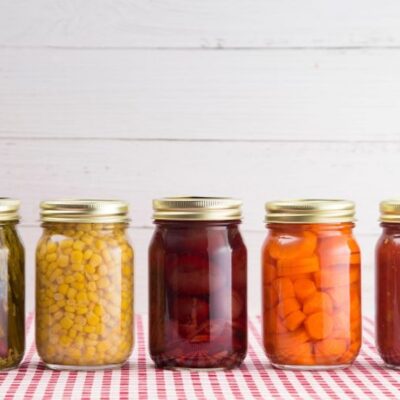
Just about anything you would grow in your garden may be preserved by canning. Only a few foods cannot be safely canned at all, some may be canned in one form but not another, and still others don’t hold up well under the prolonged heat of processing.
|
|
|
|
|
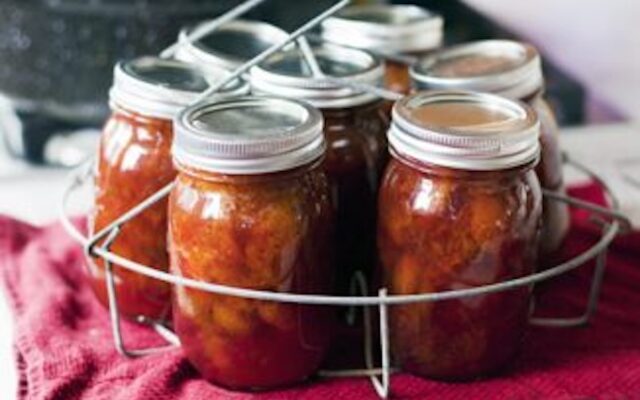
Two canner styles are suitable for processing high acid foods: water bath canners and steam canners. Either type is a good starting place for anyone just learning to put up home canned foods; both are easier to use than a pressure canner (required for processing low acid foods).
|
|
|
|
|
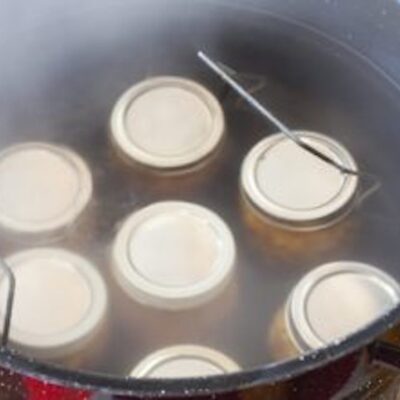
Lids for home canning come in one of two diameters, depending on whether they fit narrow-mouth jars or wide-mouth jars.
|
|
|
|
|
Steam canners have been around since at least the early 1900s, but for many years the USDA maintained that steam canning is unsafe.
|
|
|
|
|
Home Fresh Extra Egg Layer helps increase production in laying hens 20+ weeks old. The balanced 17% protein blend supports growth and reproduction, guaranteed high levels of calcium promote quality eggs with stronger shells and Yolk Rich technology produces deep, rich yolks.
|
|
|
|
|
Preserve the flavors of your harvest long after the season ends. This giveaway includes everything you need to successfully preserve your harvest this year. Enter for your chance to win this package valued at $280.
|
|
|
|